The Udara Project
Africa’s largest virtual AI class. Five days of live teaching in May 2026, free to every participant, followed by a 48-day hackathon — run by an African nonprofit for learners in 31 African countries.
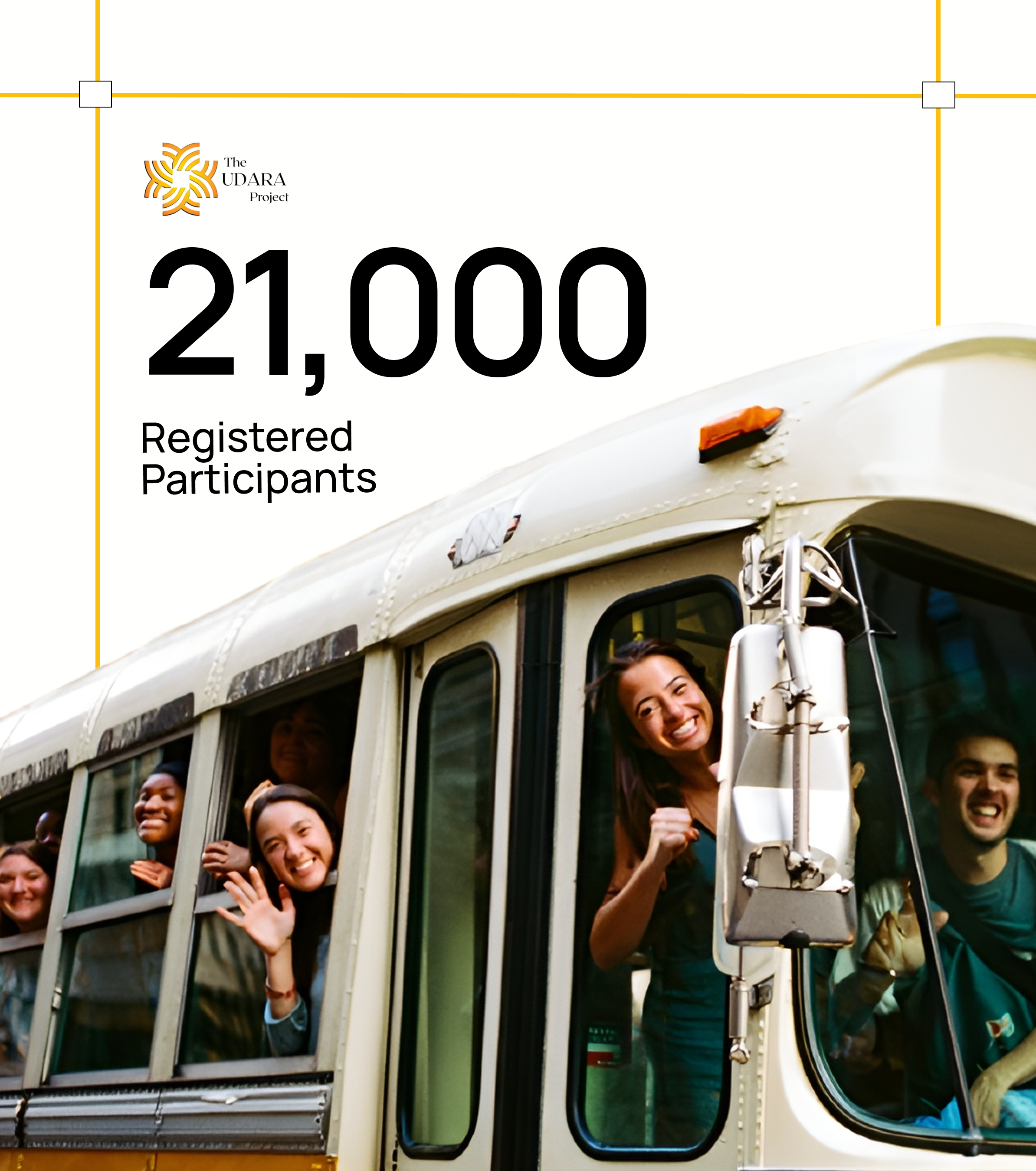
Two editions, 2025 and 2026, reaching learners in 34 African countries. 18,914 of the 2026 cohort consented to stay in contact — an opt-in rate of 95.9%.
From nine students to 290 universities
NSK AI began in 2021 with nine students at the University of Nigeria, Nsukka. Every mark below is an institution where at least five people registered for Udara 2026.
Five days, then forty-eight
Every day combined concept teaching, a live demo, hands-on exercises and open Q&A. Sessions were streamed live and left online afterwards, so a learner who missed a day could still take the whole course. In the month after the class, the recordings drew a further 4,995 engaged views and 1,230 watch-hours, 62% of them from returning viewers.
Who was in the room
The 2026 cohort was young, gender-diverse and drawn from across the university rather than from computer science alone.
Almost 19,000 registrants consented to be contacted, and 1,088 were under eighteen — a secondary-school pipeline with its own consent framework.
Forty-eight days to ship something real
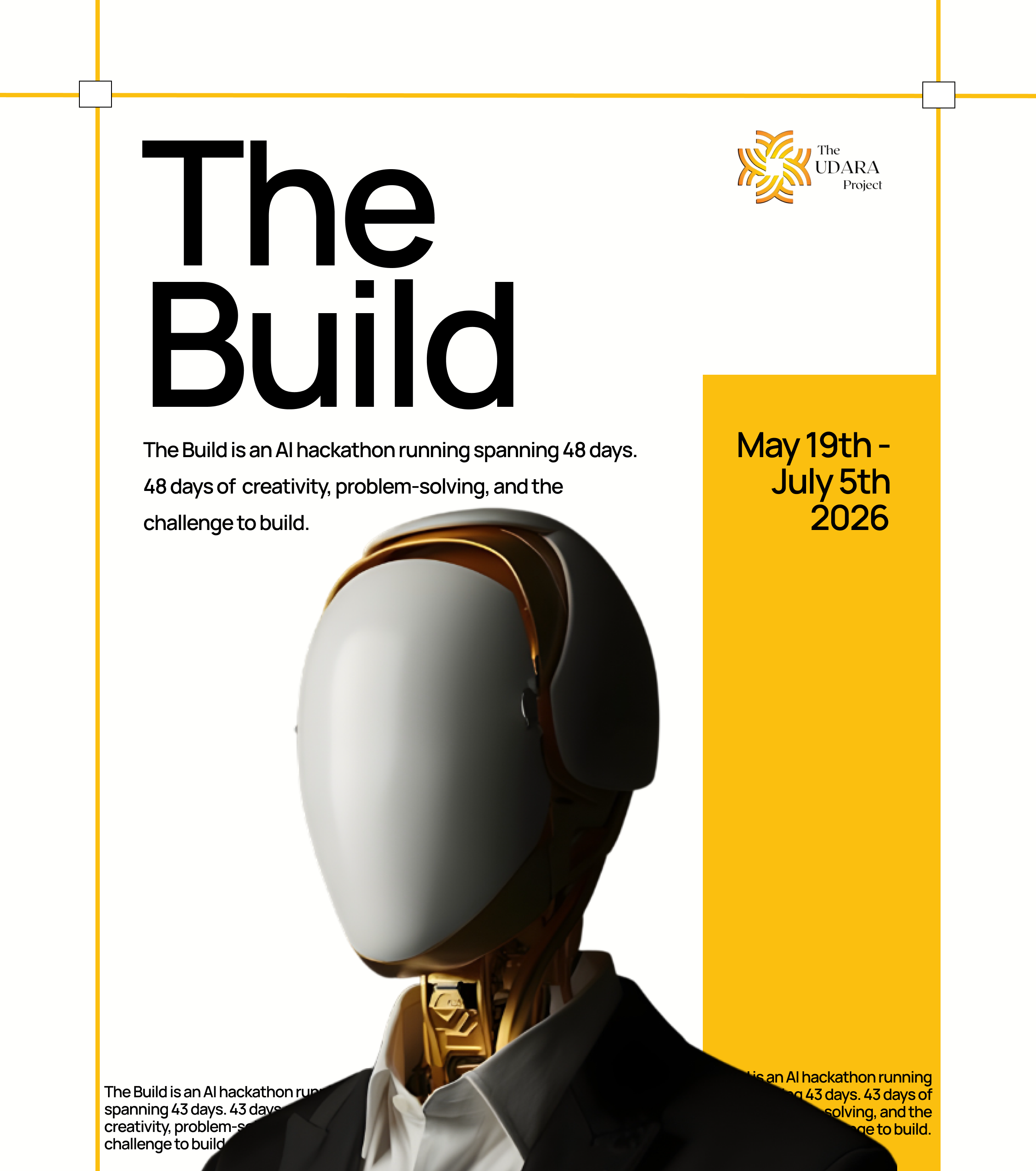
Teaching ended where building began. The Build is Udara’s hackathon: teams formed across borders, worked with mentors, and finished with a working product rather than a slide.
Taught by practitioners
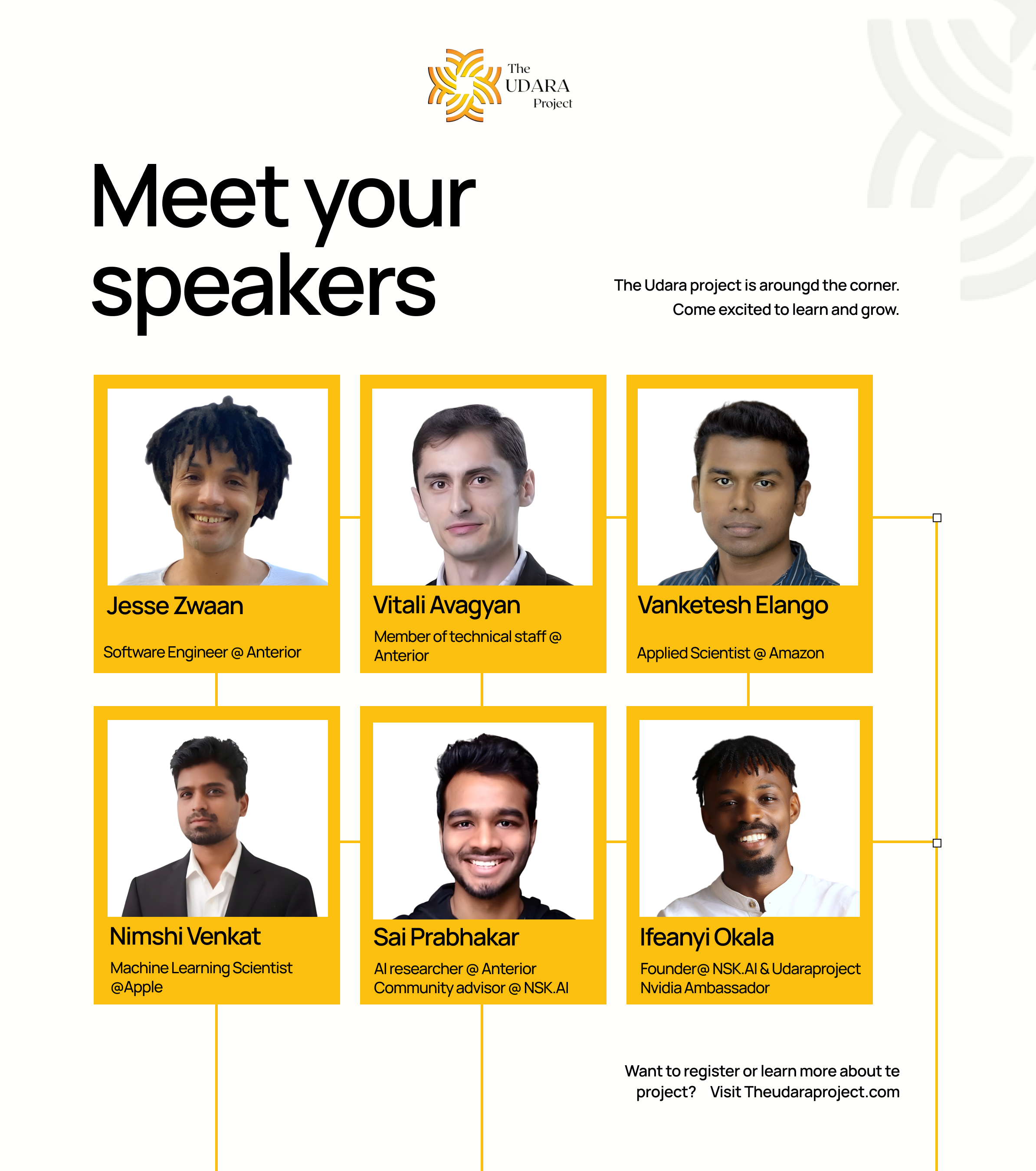
From the first session in 2021, the rule has been the same: only invite people working at the level we want participants to reach.
Diaries from the cohort
“The Build was the most intense and rewarding six weeks of my journey as a founder. The weekly deadlines were brutal in the best way. There was no room to overthink. You either shipped or you didn’t.”
“Building ZeToD entirely on mobile through GitHub Codespaces taught me that constraints don’t stop you, they sharpen you.”
“The weekly ‘ship or fail’ rhythm was the real engine of The Build. It forced us to prioritise, ship publicly, and stay accountable. The self-organising, cross-country team structure felt authentic; it mirrored how real remote teams work.”
“This project meant a lot. Which encouraged us to see our potential, to manage our time, to improve team work, confidence, experience sharing, and to think further to solve other problems too.”
“The emphasis on hands-on building, pan-African team collaboration, and weekly public accountability made this program truly unique compared to standard hackathons. It challenged us to think about real-world African problems, refine our technical architecture, and ship functional products under real pressure.”
“This project was unique where i interacted with people from different continents and also learned more about AI skills which enabled me to explore and invest more in technology.”
“The real win was the journey: six weeks of building in public, validating our problem with real traders, and shipping a working voice-first AI agent for cross-border trade intelligence.”
“The Udara Project stretched how I think, learn, and collaborate. I left with practical AI skills, new connections, and a stronger belief in building with others.”
“It strengthened my confidence, improved my problem-solving skills, and inspired me to continue developing AI and ICT solutions that can positively impact my community.”
“I received a certificate for participation, which will undoubtedly open more opportunities for me in the technology sector. I look forward to participating fully in the next Udara Project 2027 and, if possible, giving back to the community.”
Where support goes
Udara already reaches learners in 31 countries and 290 universities. Support makes that reach durable and larger: a paid core team, load-tested streaming, messaging on the channels African learners actually use, and a properly resourced campus ambassador programme.
Messaging across WhatsApp, Telegram and email, so every registered learner hears about every session; supported campus ambassadors; a partnerships lead in post.
A paid core team, twenty mentors on The Build, load-tested streaming infrastructure, and a 2027 edition delivered at several times the scale of the last one.
Paid country leads across four or more nations, the world-record class attempt, the consented multilingual dataset programme, and a path to one million learners by 2029.
Fund a cohort, teach one, or join one.
Partners, volunteer instructors and participants all come through the same door.